Steinway & Sons Brand Ambassador | B.M. The Eastman School of Music | M.M. New York University
Where Ideas Take Shape
Where creativity meets clarity, and vision meets action.
Studying piano should feel like you've stepped into a tradition where craft, taste, and joy are equal partners. That's the studio I run, and that's the standard I bring to every student.
It All Begins Here
I bring creativity and expertise to everything we do.
Here, creativity meets opportunity. Whatever you're building, we're here to help you take the first step with confidence.
We work from the first lesson on three things at once:
-
So the body never gets in the way.
-
So the page becomes a language, not
a code -
So what comes out of the instrument is theirs
Three Levels | Three Tracks
Beginner
Intermediate
Advanced
Beginner Level

-
A baroque light, dancing masterpiece.
-
A romantic work noted for its didactic compositional elements.
-
Flexible, expert advice when you need it. Book hourly support across a range of topics—from planning to problem-solving. This focused consultation will help clarify your goals, map out next steps, and identify opportunities for growth.
-
A three-movement classical standard that teaches the sonatina form.
-
Students will learn cinematic favorites such as the themes from Interstellar, and the Truman Show.
-
A waltz the tests the students control of their left hand.
-
Every pianists first prelude and fugue.
-
a melancholic staple
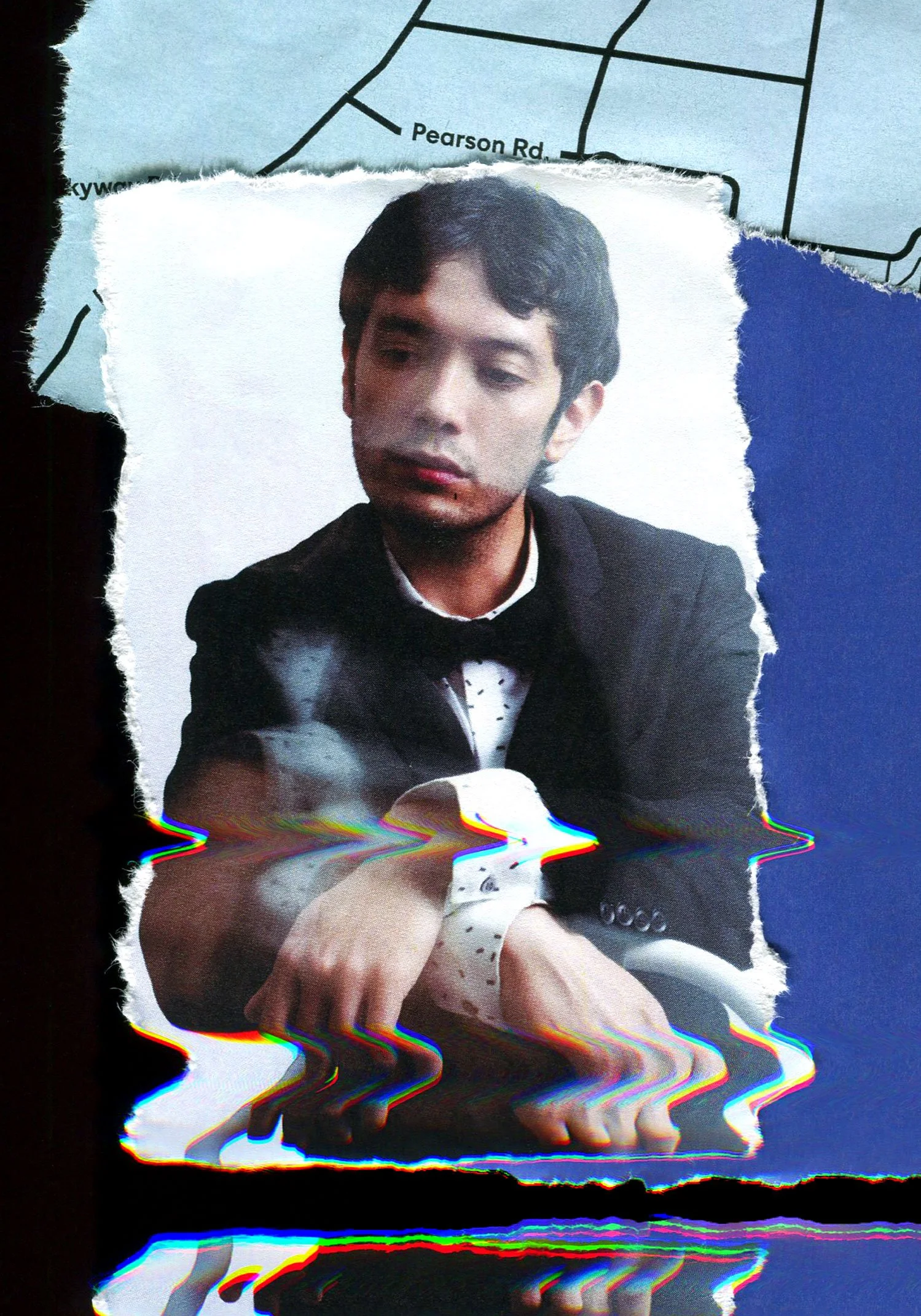
Intermediate Level
-
The song captures themes of loneliness, unfulfilled dreams, and the comforting power of music and community. Although the setting feels lively, there’s an underlying sadness because many of the characters seem stuck in routines they wish they could escape.
-
-
-
We combine a thoughtful, human-centered approach with clear communication and reliable results. It’s not just what we do—it’s how we do it that sets us apart.
-
You can reach us anytime via our contact page or email. We aim to respond quickly—usually within one business day.
-
Explore themes from Amelie, Pride and Prejudice, La La Land. and more.
Advanced Level
Waltz for Debby
2022
Ballade in G minor
2021
Moonlight Sonata
2020
Pavane pour une infante défunte
2019
the METHOD
Five movement from first note to real artistry.
Every student moves through the same five stages. Some advance in months, some in years.
The order matters more than the pace. Below is exactly what we work on, what you'll learn, and roughly how long each chapter lasts.
-
The body, the bench, the first sounds.
Months 1 - 3 | Beginner Level
Before a single piece, we build the things students never see in a recital but feel in every measure: relaxed shoulders, curved fingers, an honest sense of pulse, and the simple confidence that piano isn't intimidating — it's intuitive. By the end of this stage, every student can play a melody, hands together, with musical intention.
✦ Posture, hand shape, weight transfer
✦ Reading both clefs, intuitively
✦ Steady pulse and basic rhythm
✦ First melodies, hands together
✦ The vocabulary of music: dynamics, articulation
-
The page becomes a language.
Months 3-12 | Early Intermediate Level
Once the foundation is solid, we accelerate. Students sight-read short pieces, learn the geography of all twelve keys, and begin building a real repertoire — not exercises, but pieces they're proud to play for grandparents. This is where children stop dreading practice and adults start surprising themselves.
✦ Major & minor scales, arpeggios, cadences
✦ Sight-reading: a daily habit
✦ First real repertoire (Bach, Burgmüller, jazz standards, pop)
✦ Pedaling — the instrument's secret weapon
✦ Practice strategy: 20 focused minutes beats 60 mindless
-
From notes to music.
Years 1-2 | Intermediate Level
Now we make it sing. Phrasing, rubato, voicing, color — the things that separate a piano student from a young pianist. Students begin choosing repertoire with me rather than from a textbook, learning Chopin nocturnes, Debussy preludes, Bill Evans transcriptions, whatever genuinely moves them. Performance becomes part of life: family recitals, school auditions, open-mics for adults.
✦ Phrasing, voicing, balance between hands
✦ Repertoire: Chopin, Debussy, Schumann, jazz, contemporary
✦ First performances (in-studio, family, school)
✦ Memorization that actually holds up under pressure
✦ Music theory that explains why a piece moves you
-
The serious repertoire.
Years 2-4 | Late Intermediate Level
This is the stage where students cross over into the literature serious pianists play their whole lives: Beethoven sonatas, Bach preludes & fugues, Romantic showpieces, the great jazz heads. For young students aiming at conservatory, we build audition repertoire here. For adults, we tackle the bucket-list piece they've wanted to play since they were nineteen.
✦ Advanced technique: octaves, double notes, fast passagework
✦ Major repertoire: Bach, Beethoven, Chopin, Liszt, Ravel
✦ Pre-college / conservatory audition prep
✦ Improvisation & harmonic understanding
✦ Recording: hearing yourself the way the room hears you
-
Your voice at the instrument.
Advanced Level
This is no longer about what to play. It's about why, and how only you can. Interpretation, programming a recital, making a piece your own, performing under real pressure. Students at this stage are auditioning for top programs, performing in real venues, or simply playing at a level that turns heads at every dinner party. This is what I was trained to develop, and it's the stage I love most.
✦ Interpretation: making the piece undeniably yours
✦ Recital programming & performance pacing
✦ Conservatory & competition coaching
✦ Stage presence and performance psychology
✦ The lifelong relationship with the instrument